
Reggae & History: Musical Culture and Historical Context
Reggae music is more than a musical genre; it is a cultural language shaped by history, resistance, and collective identity. Emerging in Jamaica during the late 1960s, reggae developed as a powerful form of expression for marginalized communities, carrying messages of spirituality, social justice, and cultural pride.
Deeply connected to the Rastafari movement, reggae became a global medium for storytelling and historical consciousness. Its rhythms, lyrics, and symbols reflect lived experiences shaped by colonialism, inequality, and the pursuit of liberation.
This article explores the history of reggae music, its cultural roots, and its connection to Rastafari philosophy, providing an educational and historical perspective.
The Origins of Reggae Music
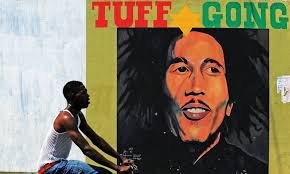
Jamaica’s Musical Foundations
Reggae evolved from earlier Jamaican musical styles such as mento, ska, and rocksteady. These genres blended African rhythms with Caribbean and Western musical influences.
According to Encyclopaedia Britannica, reggae’s distinctive rhythm and emphasis on offbeat patterns emerged as a reflection of Jamaica’s cultural synthesis.
Social and Historical Context
Post-Colonial Jamaica
Reggae developed during a period of social transition in Jamaica following independence in 1962. Economic hardship, political tension, and urban inequality influenced the themes expressed in reggae music.
Music became a vehicle for voicing social realities and historical memory.
Reggae and the Rastafari Movement
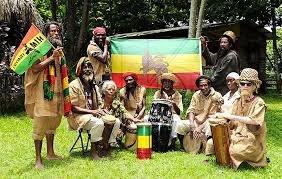
Spiritual and Cultural Expression
Rastafari philosophy profoundly shaped reggae’s lyrical content. Themes of Jah, Babylon, Zion, and African identity appear frequently in reggae songs.
According to BBC Culture, reggae served as a spiritual and political voice for Rastafari beliefs, making them accessible to global audiences.
The Global Rise of Reggae
International Influence
Artists such as Bob Marley, Peter Tosh, and Burning Spear played key roles in introducing reggae to the world. Through music, they communicated messages of peace, resistance, and unity.
Reggae’s international success transformed it into a symbol of global cultural solidarity.
Reggae as Historical Documentation
Music as Storytelling
Reggae lyrics often document historical experiences, social struggles, and cultural memory. Songs function as oral history, preserving narratives that may be absent from official records.
According to National Geographic, reggae has acted as a cultural archive for marginalized voices.
Political and Social Consciousness in Reggae
Resistance Through Sound
Reggae has consistently addressed issues such as poverty, inequality, and injustice. Rather than promoting violence, it emphasizes awareness, dignity, and spiritual resistance.
This approach aligns reggae with broader traditions of protest music worldwide.
Reggae’s Role in Youth and Global Culture
Identity and Expression
Reggae continues to influence youth culture, fashion, language, and identity across continents. Its themes resonate with movements for social justice and cultural affirmation.
UNESCO recognizes reggae as an essential cultural expression contributing to global dialogue.
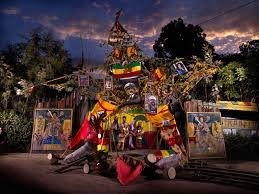
Preservation and Cultural Recognition
Reggae as Cultural Heritage
In 2018, UNESCO inscribed reggae music on the Representative List of the Intangible Cultural Heritage of Humanity, acknowledging its role in promoting peace, social cohesion, and cultural identity.
This recognition highlights reggae’s historical and cultural importance.
Frequently Asked Questions (FAQ)
Is reggae a religious music?
Reggae often incorporates spiritual themes, particularly from Rastafari belief, but it is not exclusively religious.
How is reggae connected to Rastafari?
Rastafari philosophy deeply influences reggae’s lyrics, symbolism, and worldview.
Why did reggae become popular globally?
Its universal themes of justice, peace, and identity resonate across cultures.
Is reggae still relevant today?
Yes. Reggae continues to influence modern music and social movements.
What makes reggae historically significant?
It documents social realities and preserves cultural memory through music.
Conclusion
Reggae music stands as a powerful intersection of culture, history, and consciousness. Rooted in Jamaica’s social realities and Rastafari philosophy, reggae transcended national boundaries to become a global voice for dignity, resistance, and unity.
Understanding reggae within its historical context reveals its role not only as entertainment, but as a living archive of cultural identity and social awareness.
Sources
- According to Encyclopaedia Britannica, reggae emerged as a distinct musical form rooted in Jamaican history.
- BBC Culture explores reggae’s connection to Rastafari spirituality and global influence.
- National Geographic documents reggae’s role as cultural storytelling and historical memory.
- UNESCO recognizes reggae as Intangible Cultural Heritage of Humanity.
🔎 SEO FINAL
- Keyword principal:
"reggae history" - Título SEO: Reggae & History: Musical Culture and Historical Context
- Meta description: Explore reggae history, cultural roots, and its connection to Rastafari and global social movements.
- Slug: reggae-history-cultural-context
- URL FINAL: (adicione a URL da página pilar)